Dynamic vs Static QR Codes — Which One Does Your Business Need?
Not all QR codes are equal. Learn the key differences between dynamic and static QR codes and which type fits your use case.
What Is a QR Code, Really?
Before we dive into the differences, let's set the foundation. A QR code (Quick Response code) is a two-dimensional barcode that stores data—URLs, text, contact details, Wi-Fi credentials, and more—within a grid of black and white squares. When someone scans the code with their smartphone camera, they're instantly connected to the encoded information.
But here's the nuance most people miss: not all QR codes work the same way. The two fundamental types—static and dynamic—serve very different purposes, and choosing the wrong one can cost you time, money, and missed opportunities.
Static QR Codes: Simple and Permanent
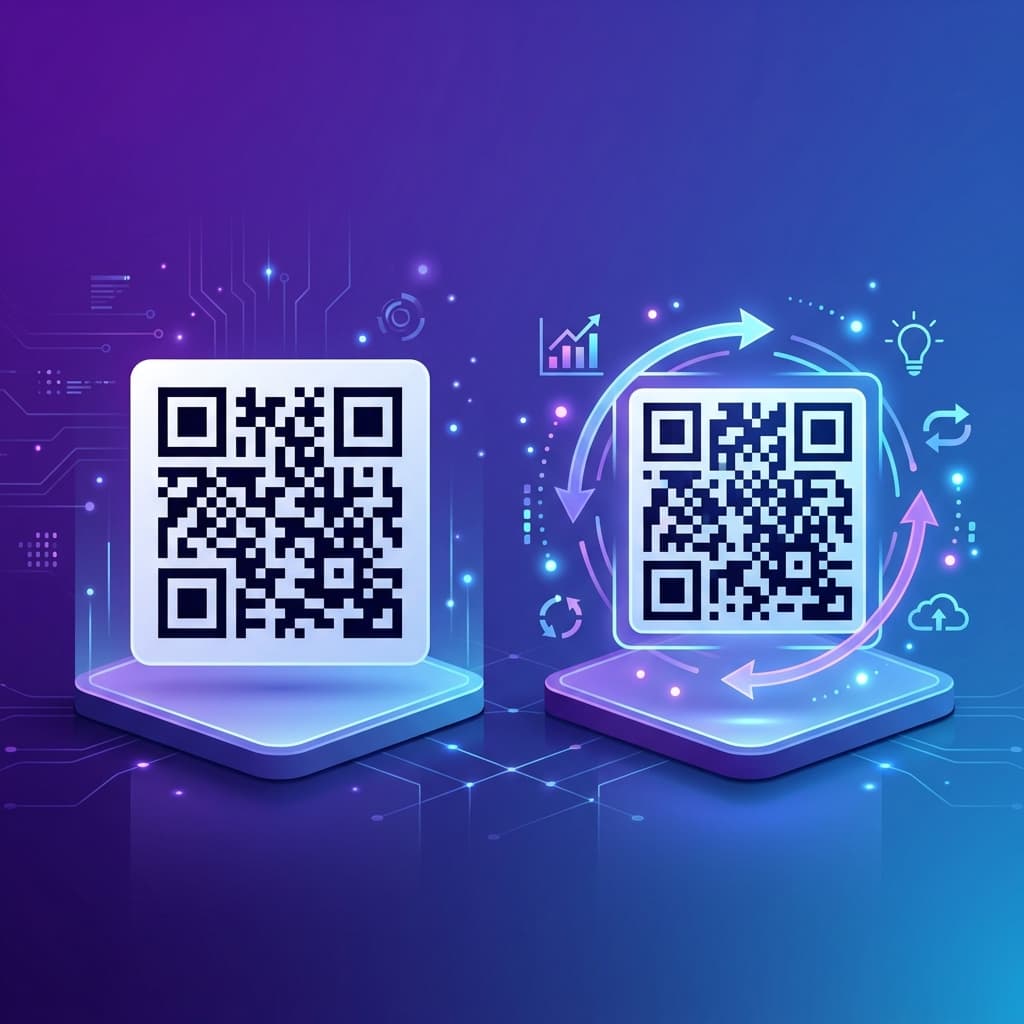
A static QR code encodes data directly into the pattern itself. Once you generate it, the destination is literally baked into the squares. There's no server involved, no redirect—just a direct scan to the content.
When Static QR Codes Make Sense
- Personal use: Sharing your Wi-Fi password at home or a URL with a friend.
- Permanent content: A link to your company's main website that will never change.
- Offline environments: Situations where you don't need tracking or the ability to update.
Limitations of Static QR Codes
- You cannot change the destination after printing. If the URL breaks, the QR code is useless.
- There's no analytics—you have no idea how many people scanned it, when, or where.
- The more data you encode, the denser the pattern becomes, which can reduce scannability.
Dynamic QR Codes: Flexible and Trackable
Dynamic QR codes work differently. Instead of encoding the final destination directly, the QR pattern points to a short redirect URL. When someone scans it, they hit the redirect server first, which then forwards them to the actual destination.
This seemingly small difference unlocks a huge set of capabilities.
Key Advantages of Dynamic QR Codes
- Edit the destination anytime — Launched a campaign with a typo in the URL? No problem. Update the redirect without reprinting a single code.
- Full scan analytics — Track total scans, unique visitors, geographic locations, device types, and time-of-day patterns.
- Shorter, cleaner codes — Because the encoded URL is short, the QR pattern stays simple and scannable, even at small sizes.
- A/B testing — Swap destinations to test which landing page converts better.
- Expiration controls — Set time-based or scan-count limits for promotions and events.
When Dynamic QR Codes Are Essential
- Marketing campaigns: Flyers, posters, business cards, product packaging.
- Restaurants: Menus that change seasonally or daily.
- Events: Tickets, check-ins, and feedback forms.
- Retail: Product information pages that evolve with inventory.
Comparison at a Glance
| Feature | Static QR Code | Dynamic QR Code |
|---|---|---|
| Editable after creation | ❌ No | ✅ Yes |
| Scan analytics | ❌ No | ✅ Yes |
| Requires internet | ❌ No (data is in the code) | ✅ Yes (redirect server) |
| Pattern density | Higher (more data = more dots) | Lower (short URL) |
| Best for | Permanent, personal use | Marketing, business, campaigns |
| Cost | Usually free | Free tier + paid plans |
| URL can break | Yes, if destination changes | No, you just update the redirect |
How to Decide: A Quick Framework
Ask yourself these three questions:
1. Will the content ever change?
If there's any chance the destination URL, menu, or document will be updated, go dynamic. Reprinting physical materials is expensive and wasteful.
2. Do you need to measure performance?
If you're spending money on print advertising, event materials, or product packaging, you need to know what's working. Dynamic QR codes give you the data to calculate ROI.
3. How important is design flexibility?
Dynamic codes produce cleaner, smaller patterns because the encoded URL is short. This matters when you're placing QR codes on business cards, product labels, or anywhere space is limited.
Real-World Scenario
Imagine you're a coffee shop owner. You print 5,000 table tent cards with a QR code linking to your online menu.
With a static QR code: When you update your seasonal drinks, you need to reprint all 5,000 cards. You also have no idea if customers are even scanning the code.
With a dynamic QR code: You update the menu URL in your dashboard in seconds. Plus, you can see that 320 people scanned the code last week, mostly on iPhones, mostly between 8–10 AM. Now you know your morning crowd is engaged and tech-savvy—valuable data for your next campaign.
The Bottom Line
Static QR codes have their place—they're simple, free, and work offline. But for any business application where you need flexibility, analytics, or the ability to iterate, dynamic QR codes are the clear winner.
The good news? You don't have to choose one forever. Start with a dynamic QR code (you can always "freeze" it later), and upgrade your strategy as your needs grow.
Ready to Create Your First Dynamic QR Code?
QR Spark makes it easy to generate, customise, and track dynamic QR codes—complete with analytics, custom branding, and instant URL editing. No design skills required.
Related Articles
WiFi QR Code — Share Your Password Instantly (No Typing Required)
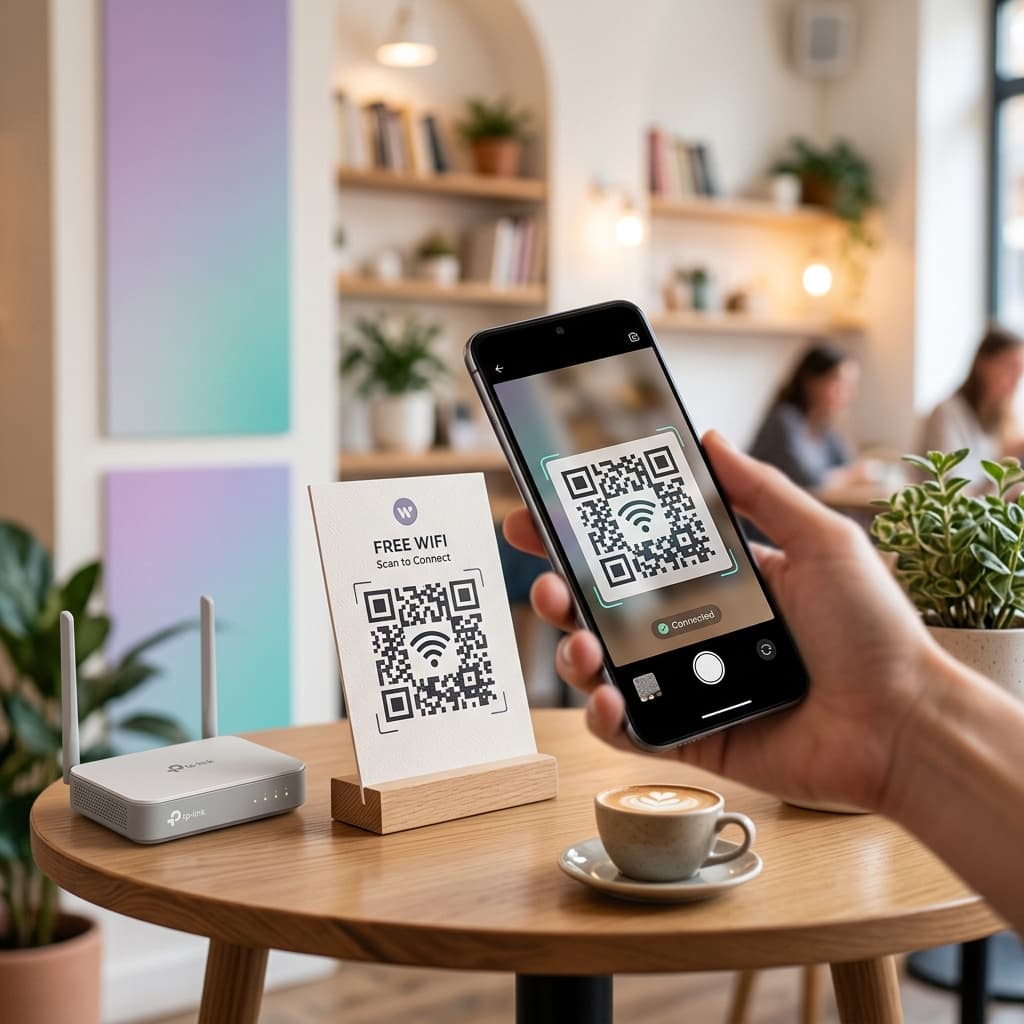
A WiFi QR code lets anyone connect to your network with one scan — no passwords, no typos, no frustration. Here's how to create one in seconds.